




List of nominees for Ordinary Member:
- Megan M. Parry
-
Larissa Engelmann
- Cal Corley
Bios and statements of all nominees:
- Megan M. Parry
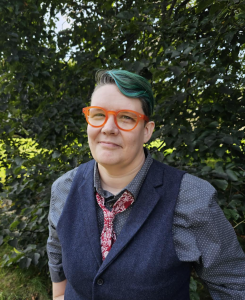
I have been a member of GLEPHA since 2019 and have served on the board since 2024. I have presented regularly at LEPH conferences since 2021: Philadelphia (virtual), Umea, Ottawa, and Leeds. On the board, I helped lead the design of a conference feedback survey, which collected its first round of data this year. I am currently working with the Deflection and Diversion SiG as the new board representative.
Apart from GLEPHA, I have served on university committees as well as community advisory boards most of which are directly related to public safety. Previously, I served on the board of directors for Phoenix Pride (Arizona), where we fundraised to support both a brick-and-mortar center as well as the yearly pride celebration (estimated 15,000 attendees). Through these roles, I’ve developed strong skills in strategic planning, and governance, as well as a focus on collaboration, inclusivity, and community.
I think the priorities for GLEPHA moving forward should include:
Building sustainable funding paths
- I would like to see us develop alternative and sustainable funding pathways to fund awards, subsidize student memberships, and cover travel and honorariums for guests particularly those with lived experience who we often rely on for knowledge exchanges. Pathways might include sponsorships, donations, or selling branded merchandise.
Being responsive to our members
- I would like to see us lean into collecting feedback both from events and from membership generally as this will allow us to be more responsive to membership needs. Feedback from membership will also help us to make sure we are in line with our mission. To this end, I have been working on a more in-depth conference survey and would like to see us develop a survey for all our members as well.
Expanding knowledge exchange
- I would like to see us explore the possibility to increase options for online networking events, research exchanges or conferences. With the high costs of travel currently, safety/security concerns, and accessibility needs members may not be able to attend in-person. By offering virtual events we create opportunities for our members to share knowledge, connect with one another and build community.
2. Larissa Engelmann

Dr Larissa Engelmann is a criminologist and researcher at the intersection of law enforcement and public health. In her new role as Senior Research Fellow at the University of Worcester (UK), she will focus on suicide prevention in rural areas to address mental health inequalities as part of the THRIVE programme. Since 2022, her research has focused on police and allied professionals’ encounters with people experiencing vulnerability through her work as a Research Fellow with the University of Leeds Vulnerability and Policing Futures Research Centre. This work has included the co-design of quality standards and delivery of multi-agency training to address and prevent online child sexual abuse and exploitation, advancing understanding of partnership working in responses to vulnerability within local communities, and exploring the application of a vulnerability lens to responses involving both victim-survivors and people who use harm in cases of domestic abuse.
- I have been a GLEPHA Board Member for the past two years since December 2024. Within this role I have acted as board contact for the Special Interest Group on Law Enforcement and Mental Health, I have supported the development of Trauma-Informed Zambia an initiative actively supported and associated with GLEPHA and ALEPHN. As part of the LEPH 2026 Organising Committee I actively shaped this year’s conference and supported the development of the Education SIG LEPH 2026 postgraduate development day. I have actively contributed to board meetings and the development of the GLEPHA Theory of Change and other relevant documentation and Association daily business.
- Beyond the skills and knowledge developed as part of the GLEPHA Board over the past two years, I have extensive leadership experience through my role as Vice-Chair of a charity in Bradford (UK) where I am responsible for the oversight of charity finances, the recruitment of staff and CEO, writing and review of governance documents, health and wellbeing support of staff and volunteers and working effectively with the leadership team to promote a positive working environment. I have also been the Co-Chair of the European Society of Criminology Working Group on Policing, where I have developed extensive skills coordinating research and partnership activity across Europe and organising, chairing and developing conferences and conference events in different countries.
- I think GLEPHA is working effectively towards its main aims and objectives, and the Theory of Change model is very helpful in achieving this. My suggestions would be to have a stronger focus on bringing in public health academics and professionals to further nuance our law enforcement focus, in particular paramedicine, psychiatry, doctors. In addition, funding should be a priority to enable the senior leadership and administrative role holders to have buy out to spend more time on developing GLEPHA and its systems which could expand its role in research and practice to more sustainably support its interdisciplinary endeavors. Thirdly, it would be good to explore ways in which the conference and other GLEPHA activities can be made more accessible for and known by practitioners and people with lived and living experience, with GLEPHA becoming a well-known knowledge and connection mobiliser to support local, national and international projects (research and practice) to develop a global understanding of the law enforcement and public health field.
- I would like to take the opportunity to thank GLEPHA for giving me the opportunity to develop my skills and knowledge within this amazing and supportive community. Being part of the Board has been a great experience so far and I would love the opportunity to continue my work with GLEPHA in this role for another term if possible. I am still learning and developing in this interdisciplinary field and with a new job in a more public health related field, I am hoping to further strengthen the public health focus of GLEPHA moving forward.
3. Cal Corley
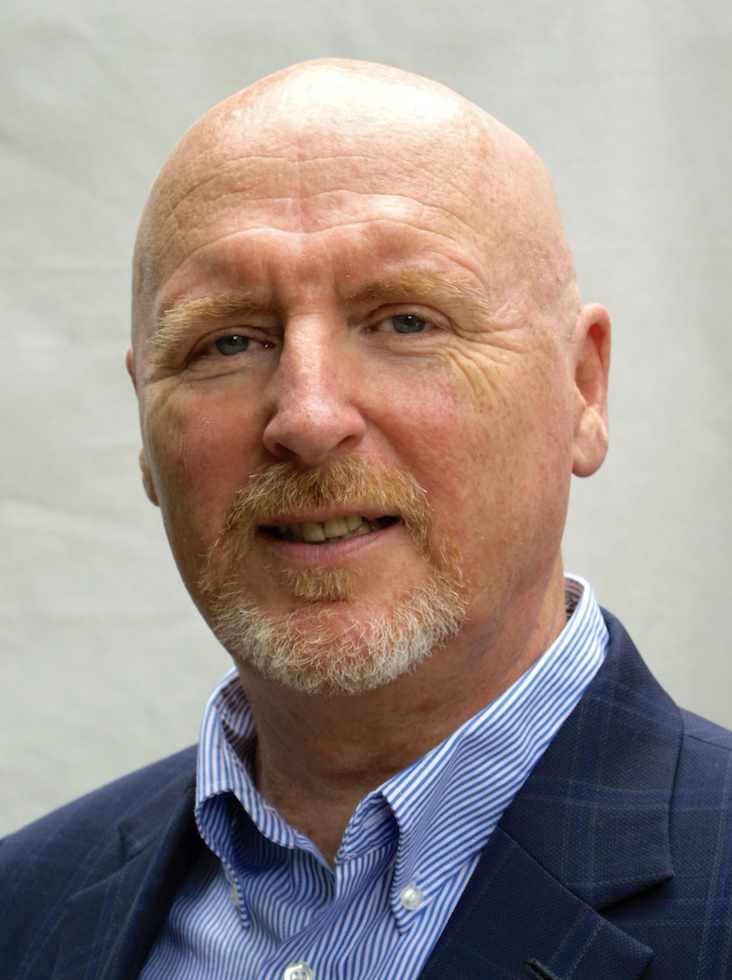
I am CEO of the Community Safety Knowledge Alliance (CSKA), a Canadian non-profit applied research organization that helps police, public health and social sector leaders develop, implement and assess new approaches to improving community safety delivery and outcomes.
A former Assistant Commissioner with the Royal Canadian Mounted Police, I headed the Canadian Police College (2008–2014) and served as the RCMP Senior Envoy to Mexico and the Americas. My operational and executive career spans community policing, national security, criminal intelligence, drug enforcement and human resources, plus secondments to the Privy Council Office and Public Safety Canada.
GLEPHA Involvement
An active member since 2017, I was closely involved, with CSKA, in supporting LEPH2018 (Toronto). Over the past decade, I have kept in regular contact with GLEPHA leadership on issues of mutual interest. Co-authored a chapter in Law Enforcement and Public Health: Partners for Community Safety and Wellbeing (Springer, 2022) and publish regularly in the Journal of CSWB, a key GLEPHA knowledge partner for which CSKA is Publisher of Record.
What I Bring
- Executive leadership: 40 years of public service in Canada and internationally.
- Governance: led the independent review of Manitoba’s Police Services Act; former director, Canadian Police Knowledge Network; IACP committee leadership; author on civilian police governance in Canada.
- International reach: police reform work in Jamaica, Ukraine, Mexico, Libya, Senegal and across the Americas.
- Partnerships and funding: national symposia, multi-sector convenings and multi-year government-funded projects.
- Fully bilingual (English/French).
GLEPHA’s Top Priorities
- Financial sustainability. Dues alone are insufficient. Diversified set of grants, sponsorships and institutional partners will sustain GLEPHA’s independence and growth.
- Member value and engagement. Strengthen SIGs, deepen the conference-to-publication pipeline, and broaden reach to frontline practitioners and emerging leaders.
- Positioning GLEPHA for Impact. GLEPHA should be the trusted bridge between universities, governments, public health bodies and police in tackling many of today’s complex cross-sectoral issues (e.g., homelessness, mental health, violence prevention).
Personal Commitment
I will be an active member: attending meetings; a SIG liaison; contributing to fundraising and committees; supporting convening events, and; opening doors across my Canadian and international networks.